Serving Aurora, Denver Metro & Colorado | 15+ Years of DUI Defense

Driving under the influence (DUI) in Colorado means operating a motor vehicle while under the influence of alcohol or drugs. Many people assume that a DUI only applies when a person is actively driving down the road. However, Colorado DUI law is broader than many people realize. A person can be charged even when their vehicle is parked if they are considered to be in “actual physical control” of the vehicle.
Understanding what qualifies as driving under Colorado law is important for anyone facing DUI allegations. The concept of operation and actual physical control often becomes a central issue in DUI cases involving parked vehicles or individuals found sleeping in their cars. To better understand the penalties and defenses available, you can learn more on our Colorado DUI Defense Attorney page.
What is Operation of a Motor Vehicle?
The statute defining DUI and DWAI is found a Colorado Revised Statue (“C.R.S.”) 42-4-1301. The D in both terms refers to drive. The term “drive” means to exercise “actual physical control” over a motor vehicle.
While DUI and DWAI are often used interchangeably, they carry different legal standards and penalties in Colorado. Understanding the distinction can be important when evaluating a case and potential defenses. For a breakdown of how these charges differ, see our guide on DUI vs. DWAI in Colorado.
Neither drive or actual physical control requires the vehicle to physically move or travel a particular distance. A defendant as found to have exercised actual physical control of a vehicle when he was asleep at the wheel.
A seminal case on actual physical control is People v. Swain. This case provides a list of factors a jury can consider in deciding whether a defendant had actual physical control of a vehicle. The factors include the following:
1. Where the vehicle was found;
2. Where in the vehicle the person was found;
3. Whether or not the keys were in the motor vehicle’s ignition;
4. Whether or not the motor vehicle was running;
5. Any other factor which tends to indicate that the person exercised bodily influence or direction over a motor vehicle or not based on day-to-day experience.
This list is not exhaustive. This means that the jury can consider other relevant factors. An aggressive DUI Defense Attorney will be able to look at the facts of a defendant’s case and suggest other factors for a jury to consider. One that comes up often is intent.
A crime will be committed when a person commits an offense with the required mental state. Unlike other criminal offenses, DUIs do not require a criminal mental state. A defendant does not have to intent to drive under the influence.
Intent can play a crucial role in actual physical control cases. A defendant that is in their car outside a bar waiting on an uber could argue a lack of actual physical control based on this factor.
Can You Get a DUI for Sleeping in Your Car in Colorado?
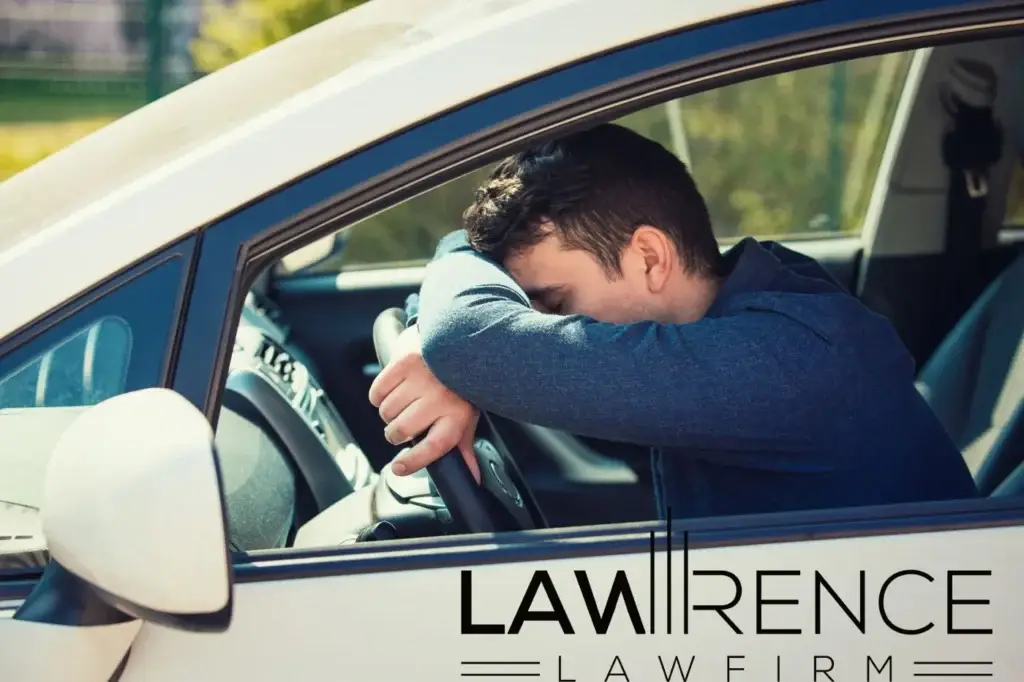
One of the most common questions people ask after a DUI arrest is whether they can be charged with DUI for simply sleeping in their vehicle. In Colorado, the answer can unfortunately be yes. Courts do not require that a vehicle actually move for a DUI charge to occur. Instead, the law focuses on whether the driver had actual physical control of the vehicle.
For example, if a person is found asleep in the driver’s seat with the keys in the ignition, a police officer may believe the individual had the ability to operate the vehicle. Even if the person intended to “sleep it off,” the law may still consider them to be in control of the vehicle.
However, every case depends on the specific facts. A person sleeping in the back seat without access to the keys may have a stronger argument that they were not exercising control over the vehicle. An experienced DUI defense attorney can examine these facts and determine whether the prosecution can prove actual physical control beyond a reasonable doubt.
If you are arrested in this situation, it’s important to understand what happens next. See our guide on what happens after a DUI arrest in Colorado and how the DMV express consent process can impact your license.
What Are Some Common Problems with Actual Physical Control Cases?
Facts are extremely important when investigating an actual physical control case. This includes observations by a police officer and statements made by a defendant.
An officer’s observations can include both direct and circumstantial evidence. Direct evidence are things seen and observed by the officer. This would include the officer seeing where the car is located and who is the listed owner of the vehicle.
Circumstantial evidence is indirect evidence. An example of direct evidence would be someone seeing it rain. They can testify that it is raining based on their own observations.
Conversely, a person that works in a building could infer it is raining if people are coming in wet with umbrellas. The person can testify it was raining, even if they don’t see it.
Circumstantial evidence in a DUI case would be facts that support an accusation that driving occurred at some point prior to police involvement. A car parked in the middle of nowhere with a driver insider leads to a suggestion that person was the driver. The circumstantial evidence becomes stronger if the vehicle is owned by the person and they have the keys.
This evidence can also be supported by police investigation. Police are trained to approach defendants in a non-threatening manner. There will be questions designed to get a defendant to make admissions that could be used against them.
In a DUI investigation, a police officer will ask questions of the defendant about what was happening prior to their contact. This would include questions about when their last drink was and where they were coming from. There could also be a question about whether anyone else was driving the vehicle that night.
The answers to these questions could seriously harm a citizen’s ability to defend against allegations of a DUI. A DUI attorney would be able to look at what evidence the police have against a defendant and determine if the people have enough evidence to prove a case beyond a reasonable doubt.
Defending an Actual Physical Control DUI Charge
Actual physical control cases often involve complex legal arguments about whether the defendant truly had the ability to operate the vehicle. Prosecutors must present evidence showing that the defendant exercised bodily influence or direction over the vehicle while under the influence of alcohol or drugs.
Defense strategies may include challenging whether the defendant had access to the keys, whether the vehicle was operable, or whether the defendant intended to drive at all. In some cases, evidence may show that the defendant entered the vehicle only to rest or wait for a ride home.
These defenses can apply differently depending on the charge. Learn more about penalties and strategies for a first DUI, second DUI, third DUI, or felony DUI in Colorado.
A skilled DUI attorney can also challenge police procedures during the investigation, including the legality of the initial contact and the reliability of field sobriety tests. Because these cases often depend on subtle factual differences, strong legal representation can make a significant difference in the outcome of the case.
SPEAK WITH A DUI DEFENSE ATTORNEY TODAY
A DUI can seriously impact a defendant’s life. It may seem simple and straight forward, but this kind of case can be complicated. It is important to speak with a DUI Defense lawyer that understands the complexities of a DUI case.
The law surrounding actual physical control is complex. The Lawrence Law Firm understands the cases surrounding this topic and monitors any change in the law.
Our firm routinely handles DUI Cases. We are ready, willing, and able to provide you the representation you deserve. We offer free consultations and flexible payment plans. Our goal is to provide aggressive representation to anyone who needs it, while no sacrificing any defendants because of budget.
Our defense lawyer routinely represents clients in Arapahoe, Denver, Adams, Jefferson, and any metro case. Our firm offers appointments afterhours or on the weekends.