Serving Aurora, Denver Metro & Colorado | 15+ Years of DUI Defense

Being arrested for DUI in Colorado is overwhelming. One moment you’re pulled over, and the next you’re facing criminal charges, possible jail time, and the loss of your driver’s license. For many people, the most stressful part is not knowing what comes next.
Our DUI Defense attorney in Aurora will walk you through exactly what happens after a DUI arrest in Colorado, from the roadside stop to court appearances, DMV hearings, and potential case outcomes. Understanding the timeline can help you avoid costly mistakes—and protect your future.
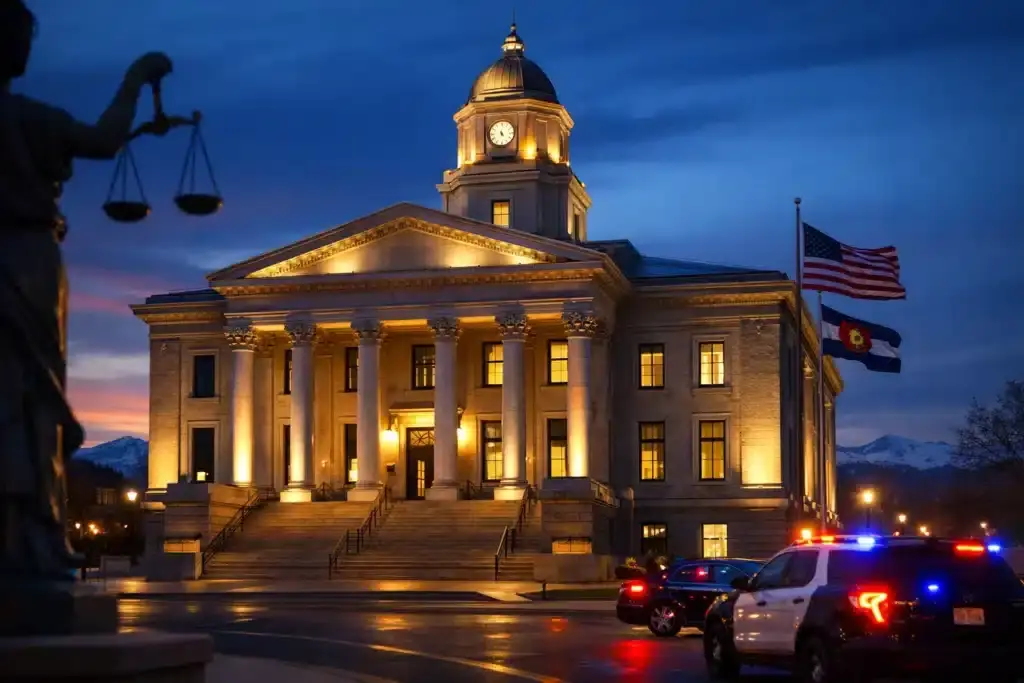
What Happens After a DUI Arrest in Colorado? A Step-by-Step Timeline
Being arrested for DUI in Colorado is overwhelming. One moment you’re pulled over, and the next you’re facing criminal charges, possible jail time, and the loss of your driver’s license. For many people, the most stressful part is not knowing what comes next.
Our DUI Defense attorney in Aurora will walk you through exactly what happens after a DUI arrest in Colorado, from the roadside stop to court appearances, DMV hearings, and potential case outcomes. Understanding the timeline can help you avoid costly mistakes—and protect your future.
Step 1: The Traffic Stop and Initial Investigation
Most DUI cases begin with a traffic stop. Law enforcement must have reasonable suspicion to pull you over, such as:
Swerving or drifting between lanes
Speeding or driving too slowly
Broken taillights or equipment violations
Reports of erratic driving
Once stopped, the officer looks for signs of impairment, including slurred speech, bloodshot eyes, odor of alcohol, or difficulty following instructions.
At this stage, the officer may ask you to perform roadside sobriety tests. In Colorado, these tests are voluntary, not mandatory. However, refusing them does not prevent arrest.
Important: What you say and do during this phase often becomes evidence later.
Step 2: Arrest and Chemical Testing (Express Consent Law)
If the officer believes there is probable cause, you will be arrested for DUI or DWAI and taken into custody.
Under Colorado’s Express Consent Law, drivers are required to submit to a chemical breath or blood test after a lawful DUI arrest.
What Happens If You:
- Take the test:
- A BAC of 0.08% or higher typically results in DUI charges
- A BAC between 0.05% and 0.079% may result in DWAI charges
- Refuse the test:
- Automatic DMV license revocation
- Refusal can be used against you in court
Blood tests are often sent to the Colorado Bureau of Investigation (CBI), and results may take weeks to return.
Step 3: Booking, Bond, and Release
After testing, you are taken to jail for booking. This includes fingerprints, photographs, and paperwork.
Depending on the circumstances, you may:
Be released on a personal recognizance bond
Be required to post cash or surety bond
Remain in custody until you see a judge
Your release paperwork will usually include:
A court date
Temporary driving paperwork
Conditions of release (such as no alcohol consumption)
Step 4: DMV License Revocation Starts Immediately
This is where many people get caught off guard.
Your criminal DUI case and your DMV case are separate. Even if your criminal case is dismissed, you can still lose your license through the DMV.
After a DUI arrest:
You typically have 7 days to request a DMV Express Consent hearing
If you do nothing, your license is automatically revoked
Typical Revocation Periods:
First DUI: up to 9 months
Refusal: 1 year or longer
Prior offenses: longer revocation periods
A knowledgeable DUI attorney can handle the DMV hearing and explore early reinstatement options.
Step 5: First Court Appearance (Advisement)
Your first court date is often called an advisement hearing. This usually occurs within a few weeks of your arrest.
At this hearing:
The judge explains the charges and penalties
You are advised of your rights
Bond conditions are reviewed
A future court date is scheduled
You are not required to plead guilty at this stage, and doing so prematurely can seriously harm your case.
Step 6: Pretrial Phase and Evidence Review
This is where DUI cases are often won or lost.
Your attorney will:
Review police reports and body-cam footage
Analyze breath or blood test procedures
Examine traffic stop legality
Look for constitutional violations
Common defense issues include:
Improper traffic stop
Faulty breath testing equipment
Blood draw errors or contamination
Inaccurate police observations
Many DUI cases are resolved during this phase through dismissals, reductions, or favorable plea negotiations.
Step 7: Motions Hearings and Negotiations
If legal issues are identified, your attorney may file motions to suppress evidence or challenge the legality of the arrest or testing.
Simultaneously, negotiations with the prosecutor may occur. Depending on the facts, charges may be:
Reduced from DUI to Driving While Ability is Impaired
Reduced to reckless driving
Dismissed entirely
Every case is different, and outcomes depend heavily on the strength of the evidence.
Step 8: Trial (If Necessary)
If no acceptable resolution is reached, your case may proceed to trial.
At trial:
The prosecution must prove guilt beyond a reasonable doubt
Evidence and witness testimony are challenged
Expert witnesses may testify about testing flaws
Many DUI cases never reach trial, but preparation for trial strengthens negotiation leverage.
Step 9: Sentencing (If Convicted)
If you plead guilty or are found guilty, the court will impose sentencing and penalties.
Possible DUI Penalties Include:
Jail time or home detention
Fines and court costs
Alcohol education and therapy
Community service
Probation
Ignition interlock device
Penalties increase with:
Prior DUI convictions
High BAC levels
Accidents or injuries
Child passengers in the vehicle
Step 10: Life After a DUI Case
A DUI conviction can impact:
Your criminal record
Employment opportunities
Professional licenses
Insurance rates
Driving privileges
This is why early legal intervention is so critical.
Why Hiring a Colorado DUI Attorney Early Matters
The decisions you make in the first days after a DUI arrest can shape the entire case. Missing a DMV deadline, giving unnecessary statements, or pleading guilty too quickly can have long-term consequences.
An experienced Colorado DUI defense attorney can:
Protect your license
Challenge evidence
Negotiate reduced charges
Fight for dismissal when possible
Guide you through every step of the process
Frequently Asked Questions About DUI Arrests in Colorado
How long does a DUI case take in Colorado?
A DUI case in Colorado can take several weeks to several months, depending on the complexity of the case, whether motions are filed, and whether the case goes to trial. Cases involving blood tests often take longer because lab results can take weeks to return.
Will I lose my license immediately after a DUI arrest?
Not immediately—but the process starts right away. After a DUI arrest, you generally have 7 days to request a DMV Express Consent hearing. If you miss this deadline, your license will be automatically revoked, even if your criminal case is still pending.
Is the DMV case separate from the criminal DUI case?
Yes. The DMV license revocation case is completely separate from the criminal court case. You can win one and lose the other. This is a common source of confusion for DUI defendants in Colorado.
What happens if I refuse a breath or blood test in Colorado?
Refusing a chemical test triggers automatic license revocation under Colorado’s Express Consent Law. A refusal can also be used as evidence against you in court and often results in longer license suspensions than failing a test.
Do I have to go to jail for a first DUI in Colorado?
Not necessarily. While jail is a possible penalty for a first DUI offense, many first-time offenders avoid jail through probation, treatment programs, or alternative sentencing—especially when represented by an experienced DUI attorney.
Can a DUI charge be reduced or dismissed in Colorado?
Yes. Depending on the evidence, a DUI charge may be reduced to DWAI or reckless driving, or dismissed entirely. Issues such as illegal traffic stops, faulty breath tests, or improper police procedures can significantly weaken the prosecution’s case.
Should I plead guilty at my first court appearance?
In most cases, no. The first court date (advisement) is not the time to plead guilty. Important evidence may not yet be available, and pleading too early can eliminate defense options. Speaking with a DUI attorney before entering any plea is strongly recommended.
How soon should I contact a DUI attorney after an arrest?
Immediately. Early legal representation can help protect your driver’s license, preserve evidence, handle DMV deadlines, and position your case for the best possible outcome. The first few days after a DUI arrest are often the most critical.
Every County Has Different DUI Practices
While Colorado DUI laws are statewide, how cases are handled can vary significantly from one county to another—and even between individual judges. Differences in plea negotiations, sentencing tendencies, probation requirements, and court procedures can all impact the outcome of your case.
Our firm routinely represents clients throughout the Denver Metro Area and understands the local practices, prosecutors, and court expectations in each jurisdiction. Learn more about DUI defense in the counties we serve:
Talk to a Colorado DUI Defense Attorney Today
If you or a loved one has been arrested for DUI in Colorado, you do not have to face the process alone. The earlier you get legal guidance, the more options you may have.
Lawrence Law Firm defends clients throughout Aurora, Denver, and surrounding Colorado communities. We understand Colorado DUI law, DMV procedures, and how to protect your rights at every stage.
Call today for a confidential consultation and learn what options may be available in your case.