When Can an Employer Be Responsible for an Employee’s Accident?
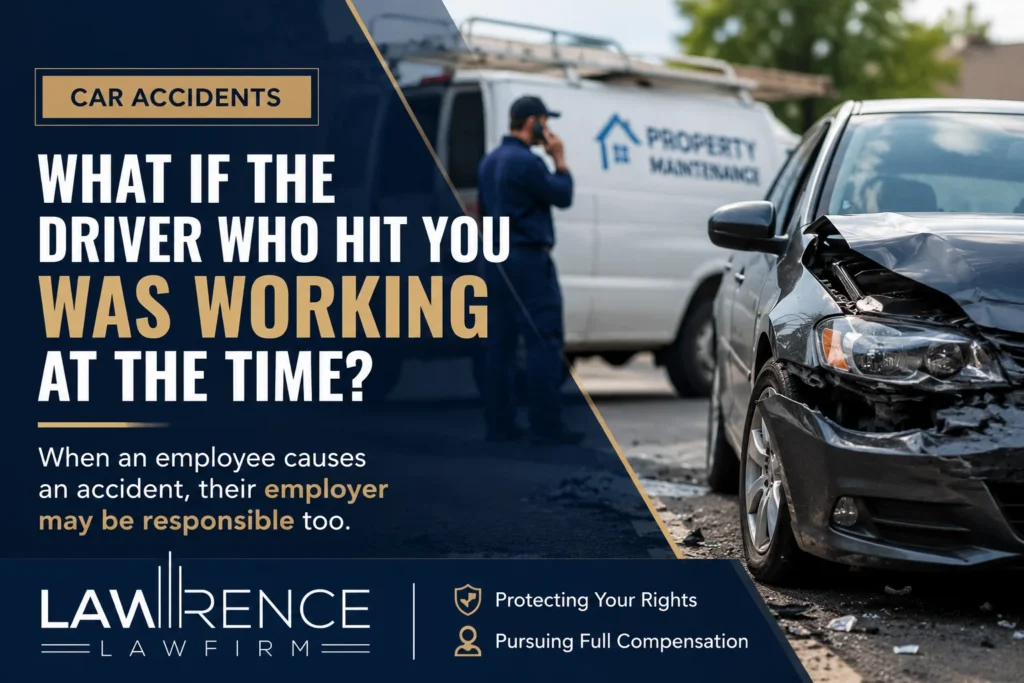
Colorado follows a rule commonly known as respondeat superior. Under that rule, an employer may be held responsible for negligence committed by an employee acting within the scope of employment. Employer liability can arise from many types of crashes, including a rear-end collision caused by an employee who was distracted, following too closely, or rushing between work assignments.
Colorado’s civil jury instructions describe work as being within the scope of employment when it was assigned by the employer, was proper and necessary to accomplish assigned work, or was customary in the particular business. The focus is generally on whether the employee was furthering the employer’s interests—not whether the employer authorized the careless way the employee drove.
Examples may include an employee who was:
- Making a delivery;
- Driving to a customer’s property;
- Traveling between work locations;
- Picking up parts or supplies; or
- Completing a task requested by a supervisor.
An employee does not need to be driving an employer-owned vehicle. An employer may still be responsible when an employee uses a personal car to perform work.
Is an Employer Responsible for an Employee’s Commute?
Ordinarily, an employee driving between home and work is not acting within the scope of employment. This is sometimes called the “going-and-coming rule.”
The analysis can change when the trip includes a work-related purpose. An employee may have been asked to stop for supplies, visit a customer on the way home, transport company equipment, or report to an unusual work location.
No single fact decides the issue. Whether an employee was acting within the scope of employment is often a factual question that depends on the purpose of the trip and its connection to the employer’s business.
What If the Employee Made a Personal Stop?
A company is not necessarily released from responsibility because the employee briefly departed from the most direct route. The law may distinguish between a minor deviation and a substantial personal departure.
Stopping for fuel during an assigned trip may be different from abandoning the assignment for several hours. Important questions include how far the employee departed, how long the interruption lasted, whether the employee had resumed the assignment, and whether the employer was still benefiting from the trip.
Phone records, receipts, dispatch logs, navigation data, and coworker testimony can help establish what the driver was actually doing.
Company Vehicle Versus Personal Vehicle
A commercial vehicle can be important evidence, but ownership does not decide the claim.
An employee can act within the scope of employment while driving a personal vehicle. Conversely, an employee may use a company vehicle for an unauthorized personal trip. The purpose of the travel is generally more important than the name on the vehicle registration.
Vehicle ownership can still affect insurance coverage. A company automobile may be insured under a commercial policy, while a personal vehicle may involve both the driver’s policy and coverage available through the employer. Some businesses also maintain umbrella or excess coverage.
Identifying every potentially applicable policy is especially important when a collision causes surgery, permanent impairment, or lost income. Colorado law provides a process for requesting information about known automobile liability policies, including excess or umbrella coverage.
Delivery Drivers and Gig-Economy Accidents
Claims involving delivery drivers, rideshare drivers, couriers, and other app-based workers present additional issues. A company may assert that the driver was an independent contractor rather than an employee. Coverage may also depend on whether the driver was logged into an application, waiting for an assignment, traveling to a pickup, or completing a trip.
Calling someone an independent contractor does not always end the analysis. The actual relationship may matter, including the company’s right to control the work and whether the driver was acting as its agent. Colorado’s jury instructions recognize that independent-contractor and agency questions may require separate analysis.
These cases should be investigated promptly because app data, trip records, and electronic communications may provide the best evidence of the driver’s status at the time of the crash.
Can the Employer Be Directly Negligent?
Employer liability is not always limited to responsibility for the employee’s driving. Depending on the facts, a claim may also involve the employer’s own negligence.
Potential issues include:
- Hiring a driver with a dangerous driving history;
- Allowing an unlicensed or unqualified employee to drive;
- Failing to train or supervise a driver;
- Requiring an unsafe driving schedule;
- Ignoring prior crashes or safety complaints; or
- Failing to maintain a company vehicle.
Colorado law permits direct negligence claims against an employer in addition to claims based on an employee’s negligence. These claims are not appropriate in every case, but they should be considered when the employer’s decisions contributed to the danger.
Why Early Investigation Matters
A police report may identify only the driver and vehicle owner. It may not explain that the driver was making a delivery, returning from a customer visit, or following a supervisor’s instructions.
Evidence that can establish a work connection includes:
- Employment records and timecards;
- Work schedules and dispatch records;
- GPS or vehicle-tracking data;
- Text messages and company telephone records;
- Receipts and expense reports;
- Delivery or rideshare app records; and
- Company vehicle-use policies.
Some of this information is controlled entirely by the employer. A prompt preservation letter can put the business on notice that relevant electronic and paper records should not be deleted or destroyed.
What Compensation May Be Available?
When an employer or commercial policy applies, an injured person may pursue the damages generally available in a Colorado car accident claim. Damages are generally broken down into economic, non-economic, and future damages.
Economic damages may include:
- Past and future medical expenses;
- Lost wages and reduced earning capacity;
- Property damage; and
- Other out-of-pocket accident-related losses.
Non-economic damages may include compensation for pain, discomfort, emotional distress, inconvenience, and loss of enjoyment of life. A serious injury may also support compensation for physical impairment or disfigurement.
Some losses do not become fully apparent immediately after the accident. The value of future damages may depend on medical opinions, anticipated treatment, permanent work restrictions, and the long-term effect of the injury on the person’s daily life.
The existence of an employer does not automatically increase a claim’s value. Liability, causation, insurance coverage, and damages must still be established. Identifying the employer may nevertheless be critical when the individual driver does not have enough insurance to cover the injured person’s full losses.
What Should You Do After Being Hit by a Working Driver?
The first steps are similar to those involved in any Colorado car accident claim, but it is especially important to document facts showing that the driver may have been working. Tell the investigating officer if the driver appeared to be on the job. Photograph company logos, vehicle numbers, equipment, uniforms, delivery materials, and anything else showing a business connection. These details may become important evidence after a car accident.
Obtain both personal and business insurance information when possible. You should also follow the ordinary steps to take after a Colorado car accident, including documenting the scene, identifying witnesses, and obtaining appropriate medical treatment.
Do not assume the employer’s insurance company will voluntarily identify every available policy or preserve every relevant record. The company may begin its own investigation immediately. Be cautious when speaking with an adjuster because recorded statements after a car accident can later be used to dispute fault, minimize injuries, or argue that the employee was not acting within the scope of employment.
Employment status may not be obvious at the scene. Even without company markings, the driver may have been completing an assignment in a personal car. Investigating that issue can reveal a responsible employer and insurance coverage that would otherwise be missed.
Speak With a Colorado Car Accident Attorney
If you were injured by a driver who may have been working, the claim should be evaluated before employment, electronic, or insurance evidence disappears. Our Colorado car accident attorney investigate the driver’s work status, potential employer liability, and all available sources of insurance coverage.