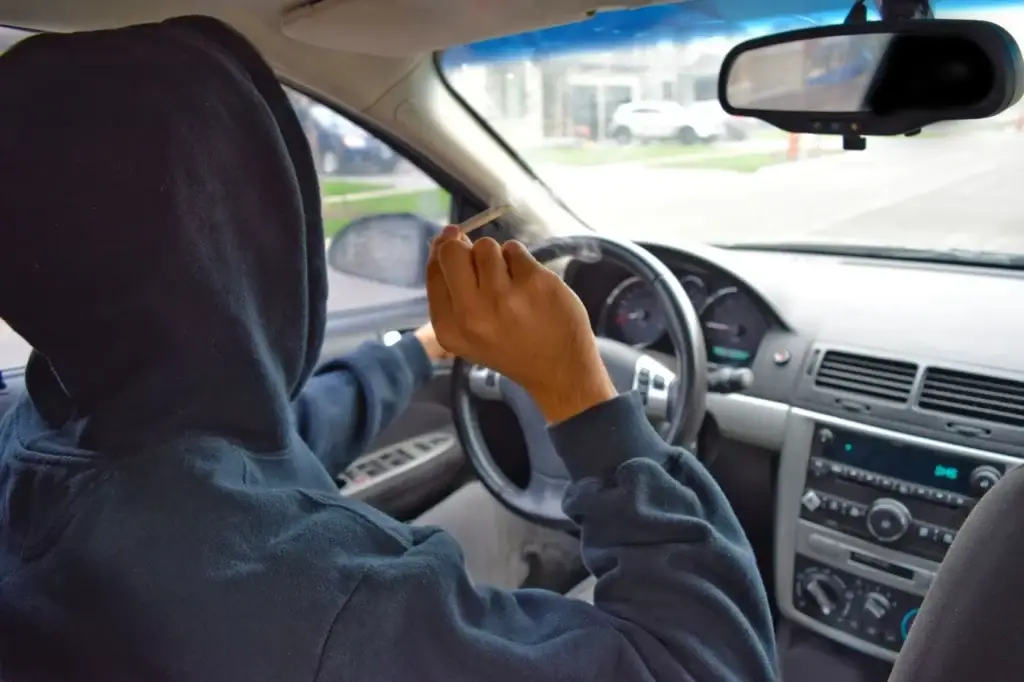
In 2012, Colorado legalized recreational marijuana. While legalization reduced criminal penalties for possession, it did not make driving after using marijuana legal.
Today, law enforcement aggressively investigates Driving Under the Influence of Drugs (DUID) cases involving THC. Marijuana DUI cases are often more complex than alcohol DUIs — and they often require deeper scientific analysis to defend properly.
If you were arrested for a marijuana-related DUI, it is critical to understand how these cases differ from traditional alcohol charges. You can learn more about general DUI laws, penalties, and DMV consequences on our comprehensive Colorado DUI Defense page, which outlines how impairment cases are prosecuted across Aurora and the Denver Metro area.
Marijuana DUI cases, however, present unique legal and scientific issues that require specialized defense strategies.
What Is a Marijuana DUI in Colorado?
Under Colorado law, DUI means operating a motor vehicle while “under the influence” of alcohol or drugs.
“Under the influence” means a person is substantially incapable of safely operating a vehicle due to intoxication.
“Driving” includes:
In marijuana cases, Colorado uses a permissible inference standard:
Important:
5 ng is not an automatic conviction.
It is a permissible inference, not a strict legal limit like .08 BAC.
Colorado also has a lesser charge:
Driving While Ability Impaired (DWAI)
DWAI means your ability to operate a vehicle was affected “to the slightest degree.”
Unlike alcohol cases (.05 BAC), Colorado does not provide a specific nanogram level for THC that automatically triggers DWAI.
For an overview of driving while ability is impaired, see our DWAI page.
How Police Investigate Marijuana DUI Cases
THC DUI investigations typically begin with:
Once stopped, officers look for “indicia of impairment,” such as:
Bloodshot or watery eyes
Slow or slurred speech
Odor of marijuana
Admission of use
Officers are trained to build cases conversationally. Many drivers unintentionally provide damaging statements during roadside questioning.
Field Sobriety Tests and Marijuana
Officers commonly administer Standardized Field Sobriety Tests (SFSTs), developed by the National Highway Traffic Safety Administration (NHTSA):
Horizontal Gaze Nystagmus (HGN)
Walk-and-Turn
One-Leg Stand
In suspected marijuana cases, officers often add:
Modified Romberg Test
Here is where THC cases differ significantly from alcohol cases:
Marijuana typically does not cause nystagmus (eye jerking).
HGN was validated primarily for alcohol detection.
Performance can vary widely depending on tolerance, fatigue, anxiety, or medical conditions.
Many jurors are unaware that these tests were not scientifically validated for marijuana impairment in the same way they were for alcohol.
If officers believe probable cause exists, the driver will be arrested and asked to submit to a blood test.
Colorado Express Consent and Blood Testing
Under Colorado’s Express Consent law, a driver lawfully arrested for DUI must submit to chemical testing.
In marijuana cases, testing is typically limited to blood.
How the Blood Test Works
Two vials of blood are collected.
One is tested by the state laboratory.
One is preserved for independent retesting.
Testing usually occurs within two hours of driving, though delays happen.
A toxicologist tests for cannabinoids, including:
Important Scientific Reality
Unlike alcohol:
THC levels rise and fall rapidly after smoking.
Peak impairment may occur before peak blood concentration.
Chronic users may have residual THC levels even when not impaired.
This disconnect between impairment and nanogram levels is one of the most significant defense issues in marijuana DUI cases.
Can You Refuse a Blood Test?
Yes. But refusal has consequences.
If you refuse:
You will still be charged criminally.
Your license can be revoked through the DMV.
Prosecutors may argue refusal shows “consciousness of guilt.”
However, in certain cases, refusal can limit the state’s scientific evidence.
The strength or weakness of a refusal case depends on the totality of circumstances.
How THC DUI Cases Differ from Alcohol DUI Cases
1. No Breath Test Option
There is no reliable roadside breathalyzer for THC.
2. Nanogram Levels Do Not Equal Impairment
Alcohol has predictable elimination (.015 BAC per hour).
THC does not behave the same way.
THC:
3. Odor Issues
Burnt marijuana odor is often cited as probable cause.
However:
Odor alone does not prove impairment.
Smell can linger on clothing or in vehicles long after use.
Passengers may be responsible for odor.
Defending a Marijuana DUI in Colorado
Marijuana DUI defense often involves challenging:
Probable cause for the stop
Administration of field sobriety tests
Officer training and DRE evaluations
Timing of blood draw
Laboratory testing procedures
Toxicology interpretation
Chain of custody
Unlike alcohol cases, THC cases frequently require deeper scientific cross-examination.
These cases are highly fact-specific and jurisdiction-dependent. Practices vary in:
An experienced Colorado DUI defense attorney understands how each jurisdiction handles DUID prosecutions.
Penalties for Marijuana DUI
Penalties mirror alcohol DUI penalties:
First DUI:
Repeat offenses increase significantly in severity. For information concerning repeat offense, visit our Colorado DUI sentencing and penalties pages.
A marijuana DUI conviction can affect:
Employment
Professional licenses
Insurance rates
Background checks
Speak With a Colorado Marijuana DUI Defense Attorney
Marijuana DUI cases are not “easy wins” for the prosecution — but they are technical and aggressively pursued.
The science is complex.
The testing is imperfect.
The legal standards are nuanced.
At The Lawrence Law Firm, we defend clients charged with THC DUI and DUID throughout Aurora and the Denver Metro area. We analyze blood results, challenge testing procedures, and build strategic defenses tailored to your case.
If you were arrested for driving under the influence of marijuana in Colorado, schedule a free, confidential consultation today.
We offer flat fees and flexible payment plans.
Your future is too important to leave to chance.