The Statutory Definition: C.R.S. 42-4-1301
Colorado’s DUI statute makes it illegal to operate a motor vehicle when your ability to drive is substantially impaired by alcohol, drugs, or a combination of both. The specific statute that deals with driving under the influence is found at C.R.S. 42-4-1301. The law applies to:
Most DUI cases are misdemeanors, but a felony DUI in Colorado is possible if you have multiple prior convictions or if serious injury or death results.
The statute uses the word “driving,” but the courts have clarified that the term includes being in actual physical control of a vehicle.
What Is “Actual Physical Control” in Colorado DUI Cases?
Actual physical control means having the ability to operate or direct a vehicle, even if it is not moving. Courts look at factors such as the location of the driver, whether the engine is running, and whether the person could put the vehicle in motion.
What Counts as “Driving” Under Colorado Law?
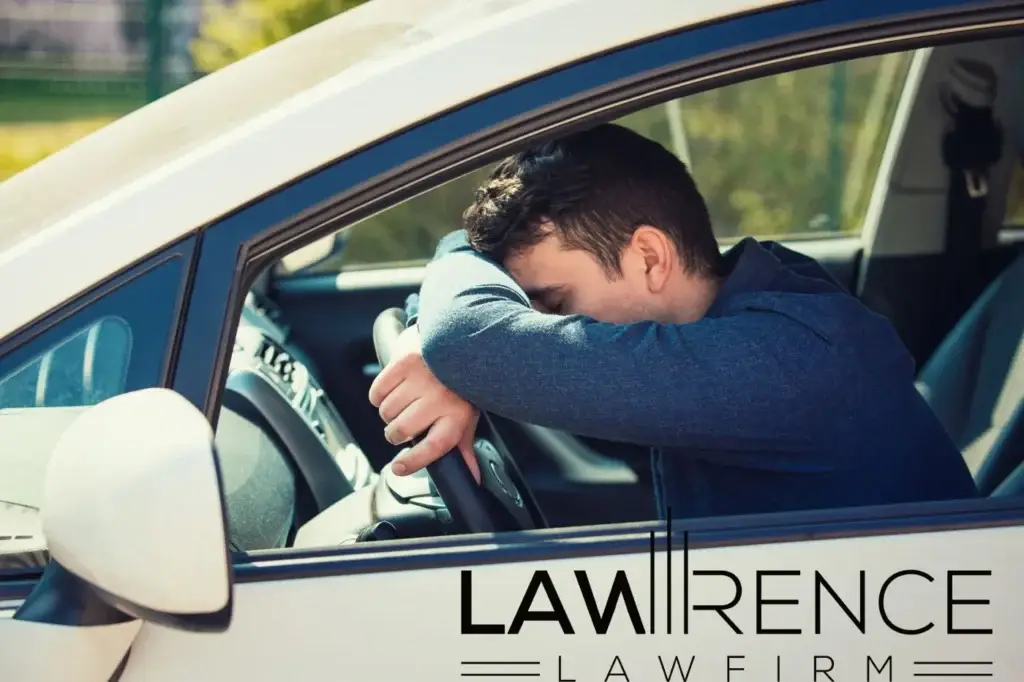
You don’t need to be observed moving a car down the road to be guilty of DUI. Under Colorado case law, “driving” includes situations where you exercise bodily influence or direction over a vehicle. That can mean sitting behind the wheel with the ability to make the car move—even if it never does.
This interpretation is often the most surprising part of the Colorado DUI definition. People sometimes try to “sleep it off” in their cars after drinking, only to be arrested when an officer finds them behind the wheel with the keys nearby.
The People v. Swain Case and Actual Physical Control
The leading case on actual physical control in Colorado DUI law is People v. Swain. In this case, the Colorado Supreme Court explained that courts must look at the totality of the circumstances to determine whether someone was in control of a vehicle.
The Swain decision highlighted several important factors:
Where the vehicle was found.
Where the person was located in the vehicle.
Whether the keys were in the ignition.
Whether the engine was running.
Any other facts suggesting the person could direct the vehicle’s movement.
No single factor is conclusive. For example, being in the driver’s seat with the car running is strong evidence of control, but if the car is parked safely at home in the driveway, a jury may see it differently.
Real-World Examples of Actual Physical Control
Warming up in winter – A person sits in their vehicle with the heater on while waiting for a ride. Even if they never intend to drive, prosecutors may argue that starting the engine shows control.
Parked near a bar – Officers find someone asleep in their car outside a bar with the keys in the ignition. This situation often leads to a DUI arrest.
Remote location – A car parked on a rural road with no bars or homes nearby may suggest the driver had to drive there while impaired.
Intent does not matter under the statute. A person doesn’t need to plan to drive under the influence to be charged. That’s why DUI defense attorneys in Denver and Aurora often introduce evidence like proof of an Uber ride request to show their client was not intending to drive.
Circumstantial vs. Direct Evidence in DUI Cases
Another key distinction in Colorado DUI law is how evidence is presented.
Direct evidence is straightforward proof. For example, an officer testifying that they saw you swerving is direct evidence of impaired driving.
Circumstantial evidence requires inference. Finding a driver asleep in a running vehicle is circumstantial evidence—they weren’t seen driving, but a jury may infer control.
Most actual physical control DUI cases rely on circumstantial evidence, which makes them more open to interpretation and more dependent on effective defense strategies.
How Police Investigate Actual Physical Control
Law enforcement officers are trained to collect details that support impairment and control. During a DUI stop or contact, they may ask:
How much alcohol you consumed.
When and where you were drinking.
Where you were coming from and where you were going.
These questions are designed to build a circumstantial case. Even if the officer never saw you drive, your answers can fill in the gaps for the prosecution. For this reason, DUI attorneys often advise clients not to volunteer unnecessary details during questioning.
Why the Location of the Vehicle Matters
One of the most persuasive circumstantial factors is where the vehicle is parked.
Bar or nightclub parking lot – Prosecutors argue that the person likely drove there under the influence or intended to drive home.
Driveway at home – Defense attorneys may argue the person was not a danger to the public because they had already arrived safely.
Shoulder of the highway – This can be especially damaging, as it suggests the car was recently in motion.
Courts and juries in Arapahoe County, Adams County, and Jefferson County often weigh this heavily when deciding whether someone was in actual physical control.
DWAI and DUID: Related Offenses
Colorado law doesn’t stop at alcohol-related DUIs. The statute also covers:
Because marijuana is legal in Colorado, DUID cases have become increasingly common in Denver and Aurora courts. Officers rely on drug recognition experts (DREs) and toxicology reports to support these charges.
The Risks of a Felony DUI in Colorado
While most DUIs are misdemeanors, repeat offenders face harsher consequences. A fourth DUI conviction in Colorado is a felony, punishable by up to six years in prison. If a DUI results in serious bodily injury or death, it can also be charged as vehicular assault or vehicular homicide—both felony-level crimes.
Understanding these potential outcomes underscores why it’s crucial to know the legal definition of DUI and how it applies to your situation.
Why You Need a DUI Defense Attorney
No two DUI cases are alike. A strong defense depends on the specific facts, the county where the case is filed, and how the evidence is presented. A knowledgeable Colorado DUI lawyer can:
Challenge whether you were actually in control of the vehicle.
Present evidence like Uber or Lyft receipts to show you weren’t planning to drive.
Question the reliability of circumstantial evidence.
Advocate for reduced charges or dismissal.
Attorneys with experience in Denver, Aurora, Arapahoe, Adams, Douglas, and Jefferson Counties understand the local courts and how prosecutors handle these cases.
Key Takeaways
Colorado’s DUI definition (C.R.S. 42-4-1301) includes not just driving but being in actual physical control of a vehicle.
The People v. Swain case guides courts to look at the totality of circumstances.
Circumstantial evidence, like where the car is parked or whether the engine is running, plays a major role.
DWAI and DUID charges are related offenses that carry serious penalties.
A Denver or Aurora DUI defense attorney can help craft strategies based on your case’s unique circumstances.
Final Thoughts
The legal definition of DUI in Colorado is broader than many people realize. Being in “actual physical control” can lead to an arrest, even if the car never moves. Prosecutors build cases through both direct and circumstantial evidence, and juries weigh a wide range of factors.
If you are facing charges in Denver, Aurora, Arapahoe County, Adams County, Douglas County, or Jefferson County, it’s important to seek legal advice quickly. A DUI conviction carries consequences that can affect your freedom, your finances, and your future.
At the Lawrence Law Firm, we provide free consultations, flat fees, and flexible payment plans. If you have been charged with DUI, DWAI, or DUID in Colorado, contact us today to learn your options.