Stalking is a serious felony under Colorado law, and the legal definition is broader than many people assume. It does not require physical following or surveillance. In many cases, stalking charges are based entirely on repeated communication — such as texts, emails, or social media messages — that would cause a reasonable person to suffer serious emotional distress and that actually does cause such distress.
Because the definition is expansive, stalking is often charged in situations involving breakups, ongoing disputes, or repeated allegations of harassment. A first conviction is a Class 5 felony, and a second offense becomes a Class 4 felony. Stalking is also classified as an extraordinary risk crime, which increases the potential maximum sentence. You can learn more about how felony charges are handled on our Colorado Criminal Defense page.
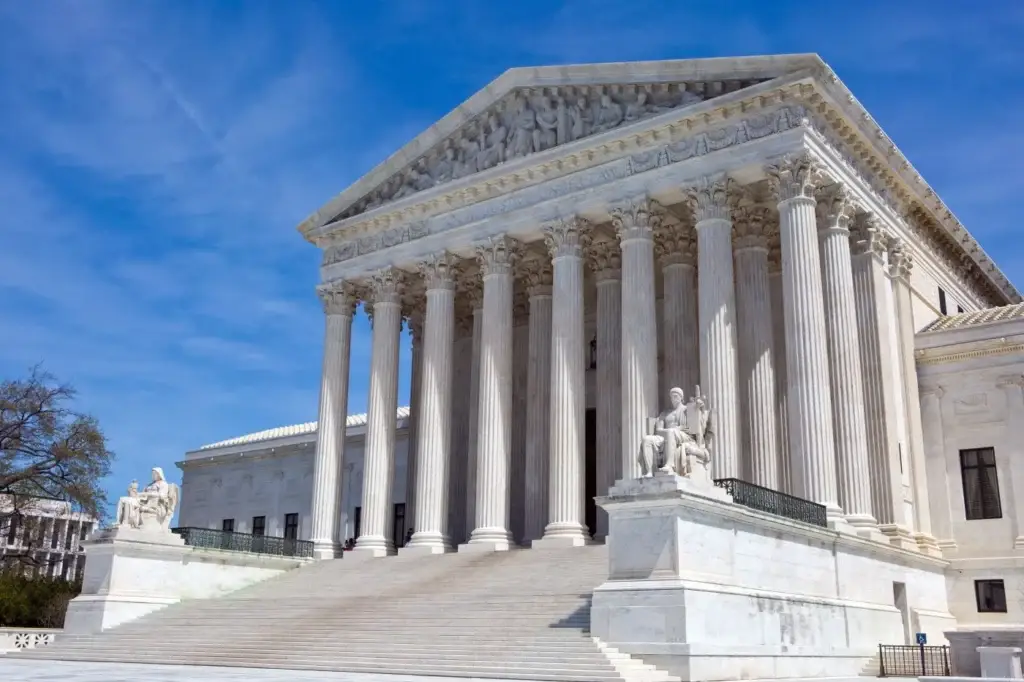
In 2023, the United States Supreme Court significantly changed how certain stalking cases must be analyzed in Counterman v. Colorado, adding an important constitutional requirement in cases involving alleged “true threats.” Below, we explain what that decision means and how it impacts stalking prosecutions in Colorado today.
Stalking under Colorado Law
Stalking is a crime under Colorado Law. The definition of the criminal offense is broader than the common understanding the of term. Stalking can include repeated communication or actions. Such communication would need to be such that a reasonable person would suffer serious emotional distress. The person must suffer serious emotional distress.
Stalking also has the standard definitions, but the emotion distress portion was commonly referred to as Vonnie’s law. It has an element of harassment associated with it, and it is not uncommon for prosecutors to charge a defendant with stalking if a defendant repeatedly harasses a victim.
For a complete overview of Colorado stalking law, please visit our Stalking Defense page.
The first offense for stalking commits is a class 5 felony. A second felony offense is a class 4. Colorado law defines stalking as an extraordinary risk crime. This means the maximum sentence for a class 4 felony is increased by two years. A class 5 felony’s maximum sentence is increased by 1 year.
For a felony offense, the reasonable person standard was a lowered standard. Counterman v. Colorado was argued before the United States Supreme Court. An opinion was issued on June 27, 2023 in Counterman v. Colorado. This opinion changed the standard in stalking cases.
What were the Facts of Counterman v. Colorado?
The defendant in this case was Billy Counterman. In 2010, he began to send thousands of messages to a Colorado musician. The messages were sent over a six-year period. The musician attempted to block Mr. Counterman on several occasions, but the defendant would create new accounts and resume the messages.
Counterman was arrested in 2016 and prosecuted for stalking under Colorado law. Colorado’s evidence only relied on online messages. No evidence of physical stalking was presented. The defendant was ultimately convicted, and he was sentenced to four-and-a-half years in prison. The lack of physical evidence opened it to challenges to violation of the First Amendment.
The Colorado Court of Appeals affirmed the conviction in 2021. They applied the reasonable person standard. The Colorado Supreme Court refused to review the case. The United States Supreme Court agreed to hear the case in January of 2023.
What were the Arguments Before the Supreme Court?
The first amendment provides wide protection to the speech of citizens. There are exceptions. Constitutionally protected speech does not include threats. The Supreme Court has held that a “true threat” is a statement that intends to convey a serious expression of an intent to commit an act of unlawful violence. The speaker does not have to commit the action.
The various jurisdictions throughout the United States have been divided on how to approach true threats. Some states have held the prosecution must demonstrate the speaker knew the threatening nature of the speech. Others have applied the same “reasonable person” standard that Colorado has applied.
This divide and the First Amendment implications is why the Supreme Court decided to intervene. The defendant’s attorney urged the Court to employ a standard that considers the speaker’s intent. Such a test would avoid criminalizing inevitable misunderstandings.
Attorneys for Colorado argued the reasonable person standard was the better choice. In its argument, the government argued that requiring specific intent in cases of threats would immunize stalkers who are “unearthed from reality.
What was the Decision of the United States Supreme Court?
The case was decided in a 7-2 opinion. The Counterman Court found that the Colorado Court of Appeals had erred. It held the Colorado’s reasonable person standard was not appropriate in determining whether a statement constituted a “true threat”. The majority held that for a “true threat” case, the government must prove that speaker was reckless in their comments. The government still does not need to establish that the speaker intended harm with their comments.
The State must show that the defendant consciously disregards a substantial risk that their communications would be viewed as threatening violence. This standard does not require the state to prove a subjective intent to threaten another. Instead, the reckless standard involves insufficient concern with risk, rather than awareness of impending harm.
How will this Impact Colorado Stalking Cases?
Cases involving true threats will have an added element for prosecutors to prove beyond a reasonable doubt. The addition of elements will always complicate a prosecutor’s job. The Colorado Attorney General was correct in his assessment that it will impact the ability to prosecute and convict individuals charged with stalking.
The adverse is also true. It will make it harder for innocent defendants to be convicted of stalking. While no one supports the harm caused the innocent victims, the legal system is an instrument of justice. Benjamin Franklin once said it is better that 100 guilty men go free than to imprison 1 innocent man.
Colorado’s argument suggests the opposite. It would say that a reasonable person standard is needed to protect the victims, even if it results in the imprisonment of an innocent person. Such a standard has no place in the justice system.
What to do if you are Charged with Stalking in Colorado?
Stalking is a serious felony offense under Colorado law. It is always important to retain a criminal defense attorney that handles these types of cases. At a minimum, a defendant should consider speaking with a criminal defense lawyer for a free consultation. This is especially important because most stalking cases involve some element of domestic violence.
If you are charged with this offense, the stalking defense attorney of the Lawrence Law Firm will gladly speak with you about your case. He has over 10 years of experience and has handled hundreds of criminal defense cases.
The office is located in Aurora, but we routinely handle cases in the Denver Metro Area.