
Serving Aurora, Denver Metro & Colorado | 15+ Years of Criminal Defense Experience

Denver Criminal Defense Attorney
Skilled, Client-Focused Legal Defense in Denver
Strategic Legal Defense for Every Client
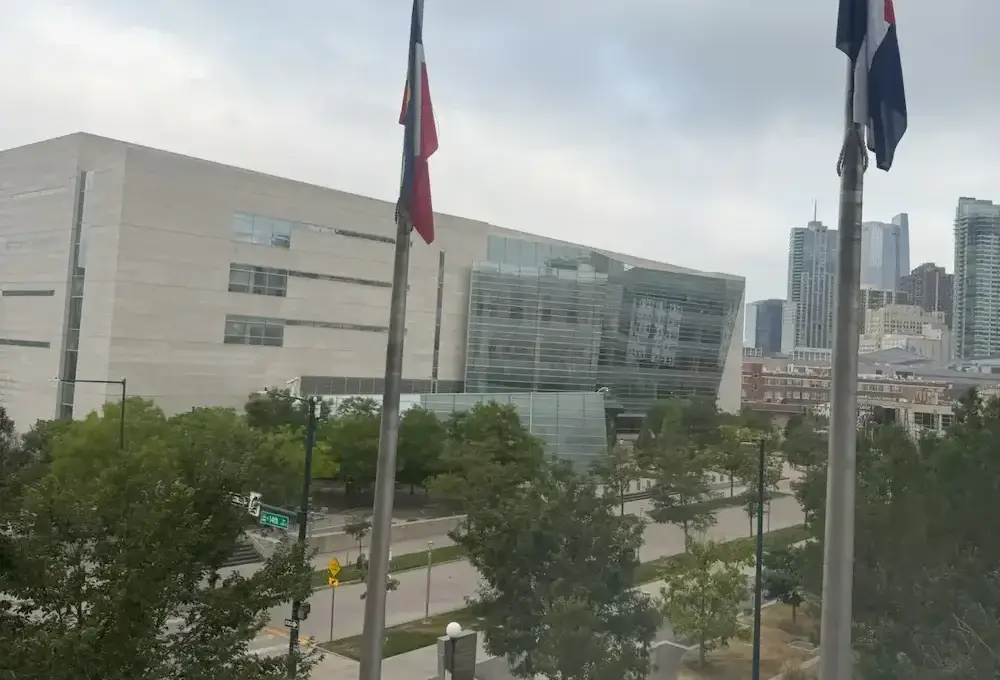
Facing criminal charges in Denver means dealing with a system that moves quickly and often without much room for error. From the initial police contact through court proceedings at Lindsey-Flanigan Courthouse, early decisions can shape the outcome of your case in ways that are difficult to undo later.
If you’re looking for a broader overview of how these cases are handled statewide, you can start with our Colorado criminal defense guide, which breaks down the process, penalties, and defense strategies across different types of charges.
How Criminal Cases Move Through Denver Courts
Most criminal cases in Denver follow a structured process, but the timing and pressure points come early.
After an arrest or summons, you may face:
- An advisement or first appearance
- A bond hearing and release conditions
- Early plea discussions with prosecutors
- Deadlines for motions and evidence challenges
In many cases, prosecutors begin evaluating resolution options almost immediately. At the same time, law enforcement reports, body camera footage, and witness statements are still being reviewed and, in some cases, still being developed.
Early-stage decisions—such as whether to speak with investigators, how to approach negotiations, or whether to challenge the basis of the stop or arrest—can have a lasting impact. By the time a case reaches later stages, many of those opportunities are no longer available.
If you want a clearer understanding of what to expect after an arrest or charge, our Colorado criminal court process guide walks through each stage of a case—from first appearance through resolution—and highlights where early decisions can make a difference.
What’s Unique About Denver Criminal Courts
While Colorado criminal law is consistent across the state, how cases are handled can vary significantly by jurisdiction. Denver has a few practical distinctions that are important to understand.
Diversion Programs
Denver does offer diversion programs in certain misdemeanor and low-level cases. These programs typically require completion of conditions such as classes, community service, or counseling. If successfully completed, the case may be dismissed, avoiding a conviction.
Diversion is not available in every case, and eligibility depends on both the charge and the individual circumstances. However, it is a meaningful option in the right situation and often something worth evaluating early.
Work Release (Currently Limited)
Historically, Denver allowed work release in some cases involving jail sentences. Since COVID, that option has largely been unavailable. While it may return in the future, current cases should generally not rely on work release as part of a sentencing plan.
This can affect how cases are negotiated, particularly in situations where maintaining employment is a priority.
In-Home Detention
In-home detention is often a more realistic alternative to jail in Denver compared to some surrounding counties, particularly for first-time or lower-level offenses. Whether it is granted depends on the specific case, criminal history, and the judge, but it is a commonly considered option.
Denver General Sessions (Municipal Court)
Denver operates its own municipal court system known as General Sessions. This court handles violations of the Denver Municipal Code, which are separate from state criminal charges.
These cases follow different procedures and can involve different penalties. While they may seem less serious than state charges, they can still carry meaningful consequences and should be taken seriously.
Types of Criminal Cases We Handle
Criminal charges in Denver range from municipal violations to serious felony offenses. While each type of case involves different legal elements, many turn on how evidence is gathered, how events are interpreted, and how the case is positioned early.
DUI and DWAI Cases
DUI and DWAI charges are among the most common cases filed in Denver. These cases often involve both a criminal case and a separate license-related process, and they rely on a combination of the traffic stop, officer observations, and chemical testing.
For a breakdown of how these cases are handled locally, see our Denver DUI defense attorney page. You can also explore our broader Colorado DUI defense resource for an overview of penalties, testing issues, and common defense strategies.
Domestic Violence Cases
Domestic violence cases in Colorado are not separate charges, but sentencing enhancers attached to underlying offenses such as assault, harassment, or criminal mischief. These cases involve mandatory arrest policies, protection orders, and required treatment if there is a conviction.
Because of these additional layers, they often move differently than other cases. For more detail, see our Denver domestic violence defense attorney page.
Assault and Violent Offenses
Assault and other violent crime cases frequently depend on witness credibility, conflicting accounts, and the surrounding context of the incident. In many situations, the facts are disputed and require careful evaluation of statements, injuries, and physical evidence.
Learn more about how these cases are handled on our Colorado assault defense attorney page.
Drug Charges
Drug cases often turn on search and seizure issues, including whether law enforcement had a legal basis to stop, detain, or search. These cases can range from simple possession to more serious distribution allegations.
Theft and Property Crimes
Theft-related charges can involve questions of intent, valuation of property, and restitution. Even lower-level offenses can carry consequences that extend beyond the immediate case.
Felony and Misdemeanor Charges
Whether a case is charged as a misdemeanor or a felony affects both the procedure and potential penalties. Misdemeanors are typically handled in County Court, while felony cases proceed through District Court and involve more complex timelines and exposure.
For a broader overview of how criminal charges are classified and prosecuted, see our Colorado misdemeanor criminal defense or Colorado felony criminal defense page.
Request a Free Consultation
Speak directly with our Denver criminal defense attorney about your case. We’ll review your situation, answer your legal questions, and explain your options — all at no cost and with no obligation.
What Happens After a Criminal Charge in Denver
After a case is filed, it typically moves through several stages. While not every case follows the exact same path, most involve:
1. Advisement / First Appearance
This is the initial court appearance where charges are formally presented and rights are explained.
2. Bond and Release Conditions
The court determines whether a person will remain in custody or be released, and under what conditions. This may include protection orders, substance monitoring, or travel restrictions.
3. Pretrial Conferences
These are ongoing court dates where the case is reviewed, negotiations occur, and progress is evaluated.
4. Motions and Evidence Challenges
Legal motions may be filed to challenge the admissibility of evidence, including issues related to searches, statements, or identification.
5. Trial or Resolution
Cases are either resolved through negotiation or proceed to trial, where the prosecution must prove the charges beyond a reasonable doubt.
Some types of cases—particularly DUI and domestic violence—have additional procedural layers that can significantly affect timing and strategy.
How Evidence Is Evaluated in Criminal Cases
A common misconception is that one piece of evidence—such as a chemical test in a DUI case or a single witness statement—determines the outcome. In reality, criminal cases are evaluated as a whole.
That includes:
- The reason for the initial police contact
- The quality and consistency of observations
- Physical evidence and testing procedures
- Statements made by all parties involved
- Video or audio recordings, when available
Each piece of evidence can support or weaken the overall case. In many situations, the focus is not on one issue, but on how the evidence fits together from start to finish.
Potential Consequences of a Criminal Conviction
Even relatively minor criminal cases can have consequences beyond the immediate penalties imposed by the court.
A conviction in Denver may affect:
- Employment opportunities
- Housing applications
- Professional licensing
- Immigration status
- Firearm rights
Felony convictions carry more severe consequences, including the possibility of prison and long-term restrictions that can follow a person for years.
Because of these potential outcomes, decisions made early in a case—whether to pursue diversion, negotiate a resolution, or proceed to trial—can have lasting effects.
Even relatively minor criminal cases can carry consequences beyond the immediate penalties imposed by the court. In addition to fines, jail, or probation, a conviction may affect employment, housing, professional licensing, and other areas of your life.
For a more detailed breakdown of what courts can impose, including jail ranges, probation terms, and other sentencing factors, see our Colorado criminal sentencing and penalties guide.
Alternatives to a Conviction
Not every criminal case results in a conviction. Depending on the circumstances, there may be alternatives that allow a case to be resolved without a permanent criminal record.
Diversion
As discussed earlier, diversion programs may be available in certain cases and can lead to dismissal upon completion.
Deferred Judgments
A deferred judgment allows a person to complete conditions set by the court. If those conditions are met, the case may be dismissed rather than resulting in a conviction.
Treatment-Based Resolutions
In cases involving substance use or mental health concerns, treatment and counseling may play a role in resolving the case.
Community Service and Alternative Sentencing
In some situations, community service or structured programs may be used instead of jail.
The availability of these options depends on the charge, criminal history, and the specific facts of the case.
Our Approach to Criminal Defense
Every criminal case presents a different set of facts, risks, and potential outcomes. Some cases require aggressive litigation and trial preparation. Others are better resolved through negotiation or alternative outcomes.
The process generally involves:
- Reviewing and analyzing all available evidence
- Identifying legal issues or weaknesses in the prosecution’s case
- Evaluating realistic outcomes based on the facts and the court
- Making informed decisions at each stage of the case
The goal is not simply to “fight” every case, but to take the approach that best protects your record, your rights, and your long-term interests.
Denver Criminal Courts and Location
Most criminal cases in Denver are handled at:
Lindsey-Flanigan Courthouse
520 W. Colfax Avenue
Denver, CO 80204
This courthouse handles both County Court (misdemeanor) and District Court (felony) cases. Municipal cases are handled separately through Denver General Sessions.
For official court information, including hours, departments, and case procedures, you can visit the Denver County Court website and Denver District Court website.
If you need directions or want to confirm where your case is scheduled, you can use Google Maps directions to the Lindsey-Flanigan Courthouse.
Denver Criminal Defense FAQs
Do I need a lawyer for a criminal charge in Denver?
While you are not required to hire a lawyer, criminal cases involve legal procedures, evidentiary rules, and negotiation decisions that can significantly affect the outcome. Even early-stage decisions—such as how to respond to charges or whether to accept an offer—can have long-term consequences.
What is the difference between a misdemeanor and a felony in Colorado?
Misdemeanors are typically less serious offenses handled in County Court, while felonies are more serious charges prosecuted in District Court and carry greater potential penalties. The classification affects both the process and possible outcomes.
You can learn more on our Colorado criminal defense page.
Will I go to jail for a first offense in Denver?
Not necessarily. Many first-time offenses—depending on the charge—may result in probation, fines, or alternative sentencing such as in-home detention or community service. Jail is still a possibility in some cases, particularly where there are aggravating factors.
Can a criminal case be dismissed in Denver?
Yes. Some cases are dismissed due to lack of evidence, legal issues with how evidence was obtained, or successful completion of diversion programs. Others may be reduced through negotiation depending on the facts and circumstances.
Taking the Next Step
If you are facing criminal charges in Denver, timing matters. Evidence can change, witnesses may become harder to locate, and early decisions can affect the direction of the case.
Whether the situation involves a DUI, a domestic violence allegation, or another type of charge, understanding how Denver courts operate is the first step in making informed decisions about your case.
Need a Denver Criminal Defense Attorney? Request a Free Consultation
Free consultation • Flat fees • Payment Plans Available
Contact Information
Address
2821 S. Parker Rd. Suite 865
Aurora, CO 80014
Contact
lain@coloradodefenders.com
Ph: 720-369-4929
Hours
Monday-Friday: 8 am - 6 pm
Weekends and Afterhours
By Appointment
Contact Our Office Today
Free Consultation. No Obligation. 100% Confidential.